
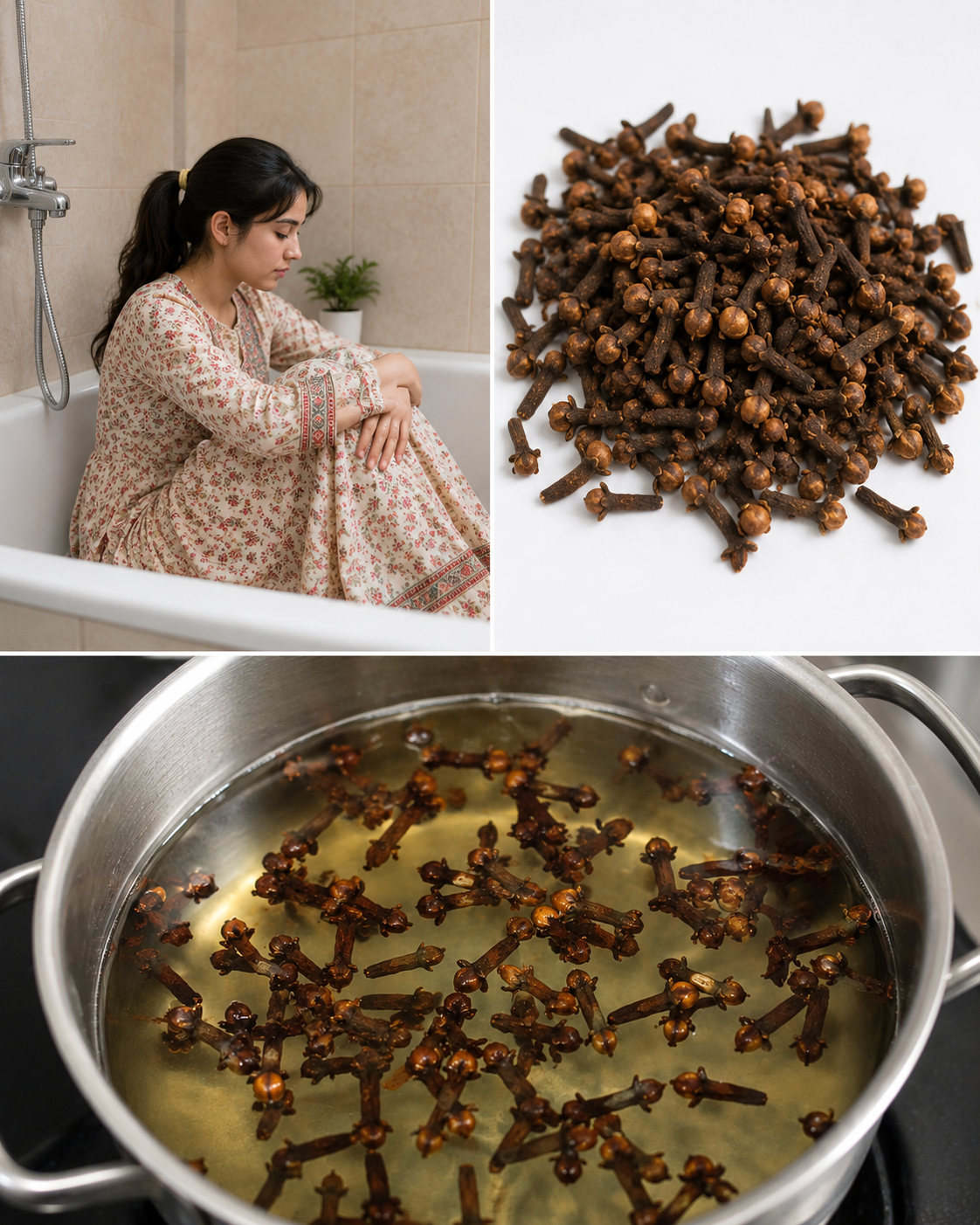
Clove Bath: Benefits, How to Prepare It, and Important Safety Tips
Cloves are best known as a fragrant kitchen spice, but they have also been used traditionally in wellness practices for generations. Their warm aroma and naturally occurring plant compounds make cloves an interesting ingredient for homemade bath preparations. A clove-infused bath can be a relaxing addition to a self-care routine, especially when the goal is to enjoy a soothing fragrance and a warm bathing experience.
However, it is important to separate traditional uses from scientifically proven medical benefits. A clove bath should be viewed as a wellness practice rather than a treatment for disease, pain, infection, or other medical conditions.
What Are Cloves?
Cloves are the dried flower buds of the clove tree, Syzygium aromaticum. They are small, dark brown, and highly aromatic. Cloves contain naturally occurring compounds, including eugenol, which contributes to their distinctive fragrance and flavor.
For centuries, cloves have been used in cooking and traditional preparations. Today, cloves can be found in whole-spice form, ground spice, teas, extracts, and essential oils.
Because cloves are very concentrated in flavor and aroma, only a modest amount is needed when preparing a simple infused bath.
Why Do People Use Cloves in a Bath?
A warm bath is already a relaxing experience for many people. Adding aromatic spices such as cloves can make the experience feel more luxurious and pleasant.
The most obvious potential benefit is aromatherapy and relaxation. The warm water helps release the natural fragrance of the cloves, creating a spicy, comforting scent.
Some people also enjoy herbal baths because they provide a quiet opportunity to slow down after a busy day. Sitting in warm water, breathing slowly, and taking time away from screens and daily responsibilities can contribute to a calming bedtime or evening routine.
It is important, however, not to assume that soaking in clove water can cure medical conditions or remove toxins from the body.
A Simple Clove Bath Recipe
Preparing clove-infused bath water is relatively simple.
Ingredients
- 2 to 3 tablespoons of whole cloves
- 1 to 2 liters of water
- A bathtub filled with comfortably warm water
Step 1: Prepare the Cloves
Measure approximately 2 to 3 tablespoons of whole cloves. Whole cloves are preferable to large amounts of concentrated clove essential oil because they provide a gentler infusion.
Step 2: Heat the Water
Place the cloves in a saucepan with approximately 1 to 2 liters of water.
Bring the water to a gentle simmer and allow the cloves to steep for about 10 to 15 minutes. The water should become fragrant and lightly colored.
Step 3: Let the Mixture Cool
Remove the saucepan from the heat and allow the clove water to cool to a comfortable temperature.
Do not pour boiling water directly into a bathtub. Extremely hot water can cause burns and may also make some people feel dizzy or faint.
Step 4: Strain the Cloves
Pour the mixture through a fine strainer to remove the whole cloves.
This makes bathing more comfortable and prevents loose cloves from sticking to the skin or entering the drain.
Step 5: Add It to the Bath
Fill the bathtub with comfortably warm water and add the strained clove infusion.
Stir the water gently to distribute the infusion.
Step 6: Enjoy a Short, Relaxing Bath
Soak for approximately 10 to 20 minutes if the water feels comfortable.
There is no need to remain in the bath for a long time. A simple warm bath can be enough to create a relaxing experience.
Afterward, rinse your skin with clean water if you notice irritation or if you simply prefer to remove the herbal residue.
Can Clove Water Improve the Skin?
Cloves contain plant compounds with antioxidant and antimicrobial activity in laboratory studies. However, that does not automatically mean that a clove bath will treat skin conditions.
Some people may find an herbal bath pleasant, while others may experience irritation. Skin can react differently to botanical ingredients, especially when the skin barrier is sensitive or damaged.
For this reason, it is better to think of clove-infused bath water as a cosmetic or relaxation preparation, not a proven treatment for acne, eczema, fungal infections, rashes, or other skin diseases.
If you have a persistent skin problem, it is safer to obtain advice from a qualified healthcare professional.
What About Clove Essential Oil?
Clove essential oil is much more concentrated than whole cloves or clove-infused water.
Applying undiluted clove essential oil directly to the skin can cause irritation or other adverse reactions. It should not simply be poured into bathwater without appropriate dilution.
Essential oils do not automatically mix evenly with water. Drops can remain concentrated on the surface and come into direct contact with the skin.
If you want to use essential oils in a bath, follow the manufacturer’s instructions and use an appropriate bath-safe dispersing method. People with sensitive skin should be especially cautious.
Important Safety Precautions
Although cloves are a common food ingredient, more is not necessarily better when used on the skin.
Avoid a clove bath if you already know that you are allergic or sensitive to cloves or related botanical ingredients.
It is also wise to test a small amount of diluted preparation on a small area of skin before using a full-body bath. If you experience burning, redness, itching, swelling, or discomfort, stop using it and rinse your skin with clean water.
Do not use strongly concentrated clove preparations on broken, irritated, sunburned, or freshly shaved skin.
Keep the water comfortably warm rather than extremely hot. Hot baths can cause dizziness, dehydration, or burns, particularly in older adults and people with certain medical conditions.
Children should not use concentrated herbal bath preparations without appropriate adult supervision and professional guidance.
Can a Clove Bath Help With Pain?
Warm water can temporarily help some people feel more relaxed and comfortable, particularly after physical activity. However, it would be misleading to claim that clove baths directly treat arthritis, nerve pain, muscle injuries, or chronic pain.
The relaxing effect may come primarily from the warm-water bathing experience rather than from a medically proven action of cloves absorbed through the skin.
If you have persistent or severe pain, it is important to determine the underlying cause instead of relying on home remedies.
How Often Can You Take a Clove Bath?
There is no universally established medical schedule for clove-infused baths.
For occasional relaxation, a mild preparation may be sufficient. If you notice dryness or irritation after bathing, reduce the frequency or stop using the preparation.
A gentle, unscented moisturizer can be applied afterward if your skin feels dry.
Remember that a wellness routine should support your comfort rather than cause irritation.
Other Ways to Enjoy Cloves
You do not need to use cloves on your skin to enjoy them. They can be incorporated into foods and beverages as a culinary spice.
Cloves pair well with cinnamon, ginger, apples, citrus, rice dishes, baked goods, and various savory recipes.
Using cloves as a food ingredient is different from using concentrated clove oil or extracts, so preparations should not be treated as interchangeable.
Final Thoughts
A clove-infused bath can be a pleasant, aromatic self-care ritual. The warm water and spicy fragrance may help create a relaxing atmosphere, particularly when enjoyed as part of an evening routine.
The most important thing is to keep expectations realistic. Although cloves contain interesting natural compounds and have a long history of traditional use, there is not enough evidence to claim that soaking in clove water can cure diseases, detoxify the body, eliminate infections, or produce dramatic health changes.
If you decide to try a clove bath, use whole cloves to make a mild infusion, allow it to cool before adding it to bathwater, avoid excessive concentrations, and stop immediately if your skin becomes irritated.
Ultimately, the best benefit may be the simplest one: taking a few quiet minutes for yourself in a comfortably warm, pleasantly scented bath.
For anyone with allergies, sensitive skin, pregnancy-related concerns, chronic medical conditions, or questions about using concentrated herbal products, consulting a healthcare professional before trying a new remedy is the safest approach.