
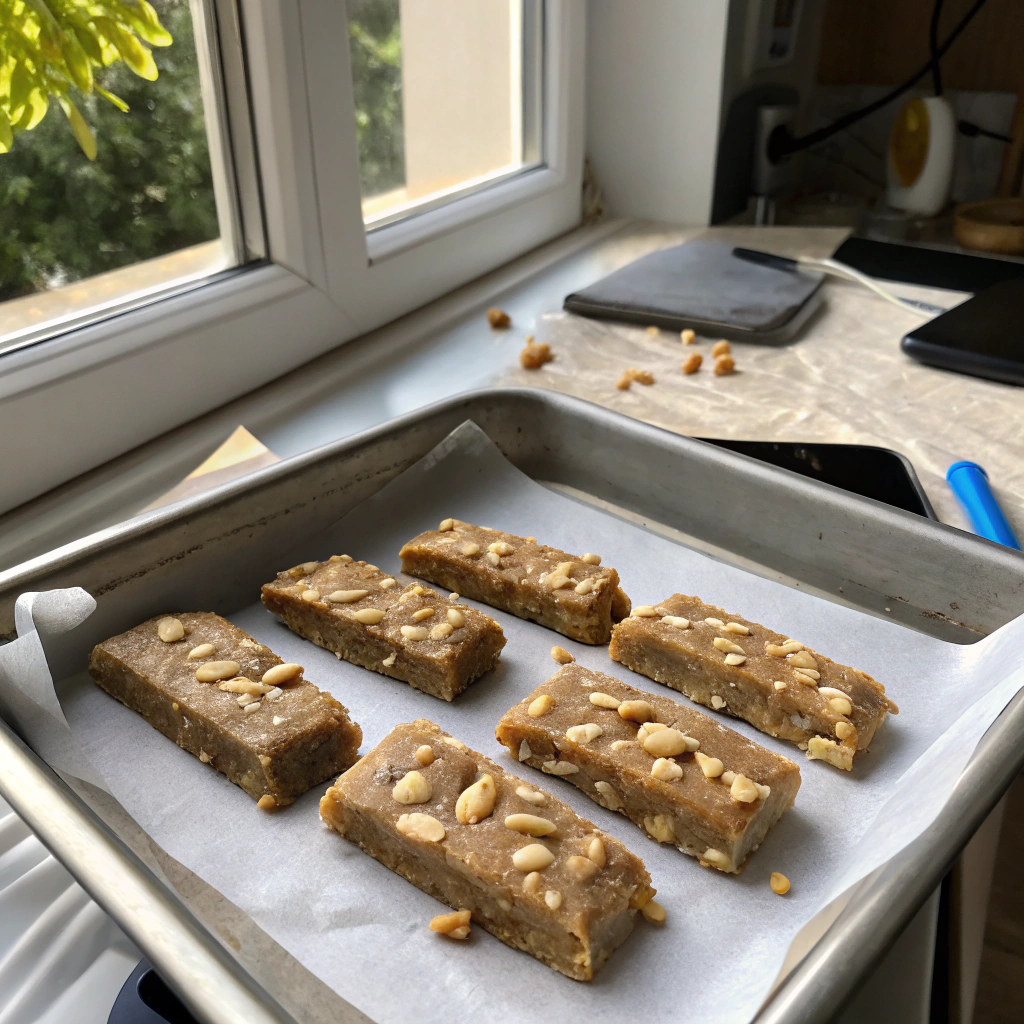
If you enjoy peanut-based snack bars but want something that fits a low-carb, high-protein lifestyle, these homemade peanut caramel bars are a simple and satisfying option. Unlike traditional candy bars that rely on sugar, syrups, or dates, this recipe focuses on protein, healthy fats, and sugar-free sweetness. The result is a chewy, salty-sweet bar that works as a quick breakfast, post-workout snack, or energy boost during the day.
This article will walk you through everything step by step — from ingredient sizes and preparation tips to storage ideas and helpful variations — so you can create your own batch at home with confidence.
Why Choose a Zero-Carb High-Protein Snack?
Many packaged snacks claim to be “healthy,” but they often contain hidden carbohydrates and artificial additives. Making your own bars gives you complete control over what goes into your food.
Here are a few benefits of this recipe:
- High protein content helps support muscle recovery and keeps you feeling full longer.
- Very low net carbs make it suitable for keto or low-carb eating plans.
- No baking required, which saves time and effort.
- Budget-friendly compared to store-bought protein bars.
By using simple ingredients like peanut butter, protein isolate, and natural sweeteners, you can create a snack that tastes indulgent without compromising your nutrition goals.
Ingredients With Exact Measurements
Below is a clear list of ingredients with suggested sizes. This recipe makes about 8 medium bars.
Main Bar Base
- 1 cup (250 g) natural unsweetened peanut butter
- ½ cup (60 g) whey protein isolate or plant-based protein isolate
- 2 tablespoons powdered monk fruit or erythritol sweetener
- 1½ tablespoons coconut oil, melted
- ½ teaspoon vanilla extract
- ¼ teaspoon salt
Peanut Coating
- ½ cup (70 g) roasted unsalted peanuts
Optional Add-Ins
- 1 tablespoon cocoa powder for a chocolate flavor
- 1–2 teaspoons water or unsweetened almond milk (only if the dough feels too dry)
Equipment You’ll Need
You don’t need any special tools to make these bars. Basic kitchen items will work perfectly:
- Mixing bowl
- Spoon or spatula
- Measuring cups and spoons
- Baking paper or parchment
- Small tray or container for shaping the bars
Keeping the equipment simple makes this recipe beginner-friendly and quick to prepare.
Step-by-Step Instructions
1. Prepare the Peanut Mixture
Place the peanut butter in a large mixing bowl. Add protein isolate, powdered sweetener, melted coconut oil, vanilla extract, and salt. Mix slowly at first, then continue until the mixture forms a thick dough. It should hold together when pressed.
2. Adjust the Texture
Protein powders vary in dryness. If your mixture feels crumbly, add one teaspoon of water or almond milk at a time until it becomes moldable. If it feels too soft, add an extra tablespoon of protein powder.
3. Shape the Bars
Divide the dough into eight equal portions. Roll each portion into a log shape or press into a rectangular bar. You can also press the entire mixture into a lined container and slice into squares later.
4. Add the Peanut Coating
Spread roasted peanuts on a plate. Gently roll each bar over the peanuts so they stick to the outside, giving a crunchy texture similar to classic peanut caramel snacks.
5. Chill Until Firm
Place the bars on a tray lined with baking paper and freeze for about 20–30 minutes. Once firm, move them to the refrigerator for storage.
Nutrition Overview (Approximate Per Bar)
Nutrition values will depend on your exact ingredients, but a typical bar may contain:
- Protein: 12–16 grams
- Net Carbs: 1–3 grams
- Fat: 10–14 grams
- Sugar: 0 grams added
Using protein isolate instead of regular protein powder helps keep carbohydrates extremely low.
Tips for the Best Texture
- Use smooth, natural peanut butter with no added sugar.
- Powdered sweetener blends better than granulated versions.
- Chilling is important — it helps the coconut oil solidify and gives the bars structure.
- If you want a firmer bar, increase protein powder slightly.
Small adjustments can make a big difference in taste and consistency, so feel free to experiment until you find your ideal balance.
Flavor Variations You Can Try
One of the best things about this recipe is how easy it is to customize. Here are a few ideas:
Chocolate Peanut Bars
Mix cocoa powder into the base or drizzle melted sugar-free dark chocolate over the top for a dessert-style snack.
Extra Crunch Version
Stir chopped peanuts directly into the dough before shaping to add more texture.
Vegan Option
Swap whey protein isolate with pea protein or rice protein isolate to make the bars fully plant-based.
Salted Caramel Style
Sprinkle a tiny pinch of flaky salt over each bar before chilling to enhance the sweet-and-salty flavor.
Storage and Shelf Life
Proper storage keeps your bars fresh and safe to eat:
- Refrigerator: Store in an airtight container for up to 7 days.
- Freezer: Freeze for up to 2 months. Separate layers with baking paper to prevent sticking.
- On the Go: Because these bars contain coconut oil, keep them cool to maintain firmness.
If frozen, allow the bars to sit at room temperature for a few minutes before eating.
Common Mistakes to Avoid
Even simple recipes can have small challenges. Here are a few things to watch out for:
- Adding too much liquid can make the bars soft. Always add moisture slowly.
- Using sweetened peanut butter will increase carbs and make the mixture sticky.
- Skipping the chilling step can cause the bars to fall apart.
Following the measurements carefully helps ensure consistent results every time.
Who Are These Bars Best For?
These zero-carb peanut bars are ideal for:
- People following keto or low-carb diets
- Fitness enthusiasts looking for high-protein snacks
- Busy individuals who need quick, no-bake meal prep ideas
- Anyone trying to reduce refined sugar intake
They’re also easy to portion, making them helpful for tracking daily nutrition goals.
Final Thoughts
Making your own zero-carb high-protein peanut caramel bars at home is easier than you might expect. With just a handful of ingredients and a few simple steps, you can create a snack that’s satisfying, customizable, and aligned with your health goals. Whether you enjoy them after a workout or as an afternoon treat, these homemade bars offer a balanced combination of flavor, texture, and nutrition without relying on sugar or processed additives.